

Our Services

Renal Nutrition

Kidney disease requires individualized nutrition management to help maintain overall health and reduce the risk of complications. We develop personalized nutrition plans for individuals with chronic kidney disease, nephrotic syndrome, and those receiving dialysis, considering laboratory results, stage of disease, medical treatment, and nutritional requirements.

Know the signs

Early Signs of Renal Disorders

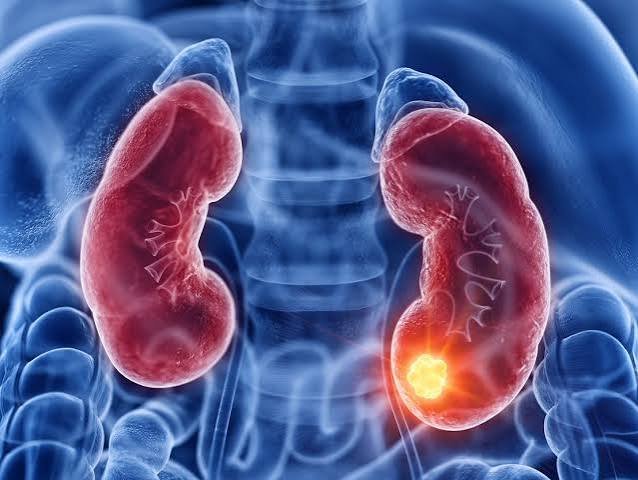
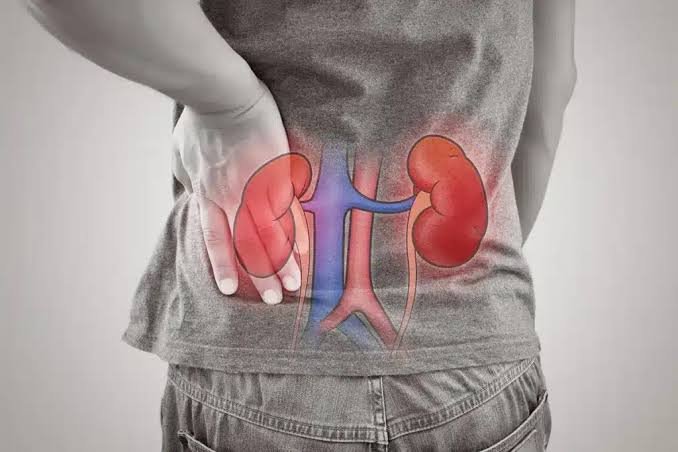
Early signs of renal disorders can be subtle and may develop gradually over time. Common symptoms include fatigue, swelling in the feet or ankles, changes in urination, and persistent high blood pressure.

Some individuals may notice foamy or bloody urine, frequent urination at night, difficulty concentrating, or loss of appetite. These symptoms may indicate that the kidneys are not functioning properly.

Recognizing these warning signs early and seeking medical attention can help prevent further kidney damage. Timely diagnosis and appropriate treatment are essential for preserving kidney function and improving long-term health.

Early Signs of Renal Disorders

Understanding the condition

Causes of Renal Disorders

Renal disorders can develop due to a variety of medical conditions and lifestyle factors that damage the kidneys over time. Common causes include diabetes, high blood pressure, infections, kidney stones, and certain medications. Early identification of these causes can help prevent kidney damage and support long-term kidney health.

Diabetes

Diabetes is one of the leading causes of kidney disease. High blood sugar levels can damage the small blood vessels in the kidneys over time, reducing their ability to filter waste effectively.

High Blood Pressure

Uncontrolled high blood pressure places extra strain on the kidneys and can gradually damage kidney tissues. Proper blood pressure management is essential for maintaining healthy kidney function.

Kidney Infections & Stones

Recurring kidney infections and kidney stones can block or damage the urinary tract, leading to inflammation and reduced kidney function. Early treatment helps prevent long-term complications and protects kidney health.

Our care

Chronic Kidney Disease (CKD)

Our nutrition care for Chronic Kidney Disease focuses on supporting kidney health while maintaining adequate nutrition and overall well-being. We create personalized nutrition plans based on kidney function, medical history, laboratory results, medications, and individual dietary needs.

Depending on the stage of CKD, we may provide guidance on protein, sodium, potassium, phosphorus, fluids, and overall dietary balance. Our goal is to support nutritional health and help manage factors that can affect kidney function.

Book a consultation

Chronic Kidney Disease (CKD)

Our care

Diabetic Nephropathy

Our nutrition approach for diabetic nephropathy focuses on supporting both kidney health and blood glucose management. Personalized plans consider diabetes control, kidney function, medications, laboratory results, weight, and individual lifestyle needs.

We provide guidance on balanced meals, appropriate carbohydrate and protein intake, sodium, and other nutrients according to kidney function. The goal is to support better metabolic health while helping protect kidney function and overall well-being.

Book a consultation

Diabetic Nephropathy

Know your risk

What increases the risk of Renal Disorders Health?

If you have been diagnosed with a renal disorder, diabetes, high blood pressure, or are experiencing symptoms such as swelling, changes in urination, unexplained weight loss, or poor appetite, it is important to consult a nutrition specialist. Early nutritional support can help protect kidney function and manage your condition more effectively. A nutrition specialist can develop a personalized meal plan based on your kidney health, medical condition, and nutritional needs. Proper dietary management can help reduce complications, improve energy levels, and support long-term kidney health and overall well-being.

Kidney Disease Diagnosis

If you have been diagnosed with kidney disease or have abnormal kidney function tests, a nutrition specialist can help you manage your condition through a personalized kidney-friendly diet and lifestyle guidance.

Why GODC?

GODC brings together experienced healthcare professionals who work collaboratively to provide comprehensive, patient-centered care. Our integrated approach ensures every patient receives the right treatment and ongoing support.
Book a Consultation

Persistent Kidney-Related Symptoms

Ongoing swelling, changes in urination, fatigue, poor appetite, or unexplained weight loss may indicate the need for nutritional support. Early consultation can help improve kidney health and reduce the risk of complications.

Why GODC?

At GODC, every treatment plan is tailored to the individual’s unique health needs and goals. We focus on compassionate care, evidence-based practices, and long-term wellness to help patients achieve the best possible outcomes.

Book a Consultation

When to see a Nutrition Specialist?

If you have chronic kidney disease, diabetes, high blood pressure, or have been advised to follow a special diet, consulting a nutrition specialist can help protect your kidney health. Early nutritional guidance can improve your overall well-being and slow the progression of kidney disease.

Book an Appointment

Diagnosis & care

How is Renal Disorders Diagnosed?

Diagnosing renal disorders begins with a thorough review of your medical history, symptoms, and a physical examination. Your healthcare provider may recommend blood tests, urine tests, kidney function tests, imaging studies such as ultrasound or CT scans, and, in some cases, a kidney biopsy to determine the underlying cause. Early diagnosis helps preserve kidney function, guide effective treatment, and reduce the risk of long-term complications.

Causes

Common contributing factors include:

  • Diabetes
  • High blood pressure
  • Kidney infections
  • Kidney stones
  • Autoimmune diseases
  • Long-term medication use

Treatment

If symptoms are mild, your clinician may advise simple measures such as:

  • Prescription medications
  • Kidney-friendly diet
  • Blood pressure control
  • Dialysis
  • Lifestyle modifications
  • Kidney transplant

Predispositions

You may be at higher risk if you have:

  • Family history
  • Advanced age
  • Advanced age
  • Diabetes
  • Diabetes
  • Chronic hypertension

Take the next step

Start your journey toward better health

Speak with our nutrition specialists about a personalised plan for your condition.