

Our Services

Weight Management and Metabolic Health

Healthy weight management is about more than calorie restriction. We assess the biological, nutritional, and lifestyle factors that influence body weight and metabolic health to develop realistic, medically guided strategies that support sustainable weight management while improving overall health and reducing the risk of chronic disease.

Know the signs

Early Signs of Obesity & Metabolic Health

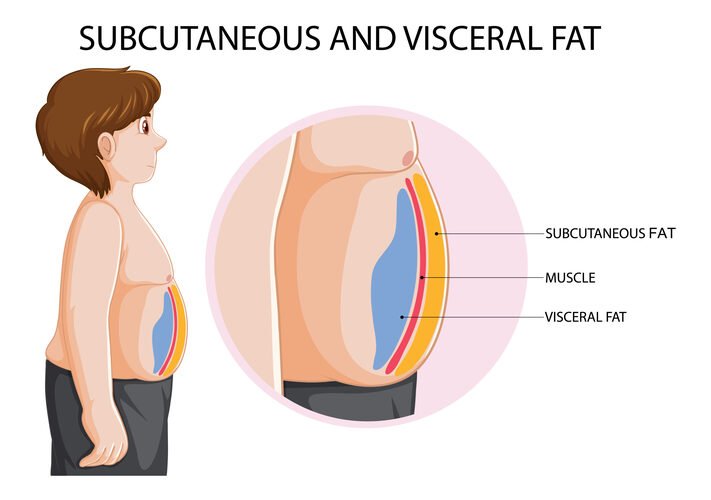
One of the earliest signs of obesity and metabolic health concerns is gradual weight gain, especially around the abdomen. Many individuals may notice increased fatigue, reduced stamina, or difficulty performing daily activities that were once easy. Changes in appetite, frequent cravings for sugary or high-calorie foods, and unexplained weight fluctuations can also indicate underlying metabolic imbalances.

Another common early warning sign is difficulty managing blood sugar levels. This may present as increased thirst, frequent urination, persistent hunger, or energy crashes throughout the day.

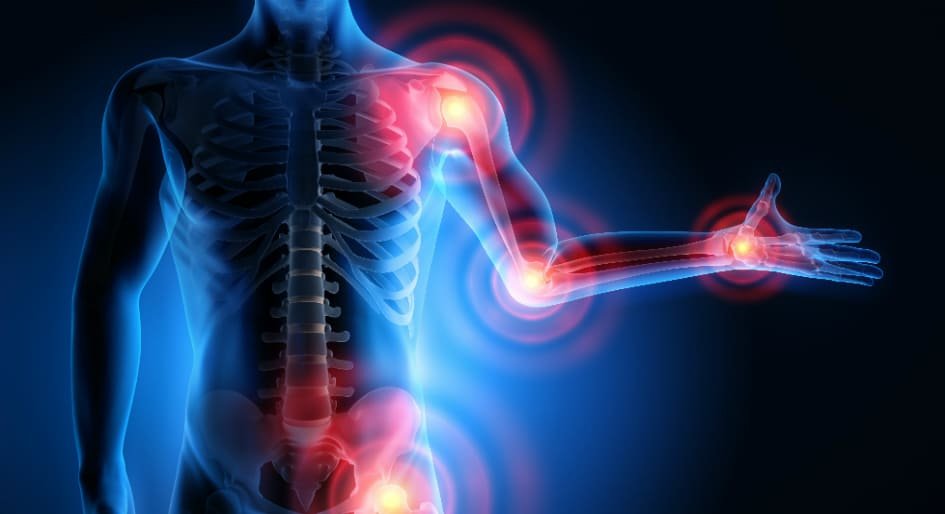
Physical signs may include elevated blood pressure, high cholesterol levels, or the development of darkened skin patches, particularly around the neck, underarms, or other skin folds. Shortness of breath during mild physical activity, joint discomfort, and increased waist circumference can also suggest the presence of obesity-related metabolic issues.

Early Signs of Obesity & Metabolic Health

Understanding the condition

Causes of Obesity & Metabolic Health

Obesity and metabolic health issues are caused by a combination of factors including poor dietary habits, lack of physical activity, and high intake of processed or high-calorie foods. Hormonal imbalances, genetic predisposition, stress, and inadequate sleep can also disrupt normal metabolism and lead to weight gain.

Poor Diet and Lifestyle Habits

One of the main causes of obesity and metabolic health issues is an unhealthy diet and sedentary lifestyle. Frequent consumption of processed foods, sugary drinks, and high-calorie meals combined with low physical activity can lead to excess fat storage and slow metabolism over time.

Hormonal and Genetic Factors

Hormonal imbalances such as insulin resistance, thyroid disorders, or PCOS can significantly affect how the body processes and stores energy. In addition, genetics can play a role in determining how easily a person gains weight and how efficiently their metabolism functions.

Medical Conditions and Stress

Certain medical conditions and chronic stress can also contribute to obesity and metabolic dysfunction. Poor sleep, high stress levels, and conditions like diabetes or endocrine disorders can disrupt normal metabolic processes, making it harder to maintain a healthy weight.

Our care

Obesity

Our nutrition care for obesity focuses on personalized weight management plans designed around your body, lifestyle, eating habits, and health goals. We help you make realistic dietary changes without relying on extreme or restrictive diets.

Through balanced nutrition, portion guidance, and sustainable lifestyle strategies, we aim to support healthy weight loss, improve energy, and promote better overall health. Our approach focuses on building habits that can be maintained for the long term.

Book a consultation

Obesity

Our care

Metabolic Syndrome

Nutrition plays an important role in managing metabolic syndrome and its related risk factors, including excess weight, blood sugar, blood pressure, and cholesterol. We provide personalized meal plans based on your individual health needs and lifestyle.

Our approach focuses on balanced meals, better food choices, portion control, and improved eating patterns. These changes can help support metabolic health and reduce the risk of future health complications.

Book a consultation

Metabolic Syndrome

Our care

Insulin Resistance

Our nutrition care for insulin resistance focuses on improving blood sugar management through balanced meals and sustainable dietary habits. We consider your eating patterns, lifestyle, activity level, and individual health requirements when developing your plan.

We emphasize nutrient-rich foods, adequate protein, fiber, appropriate portions, and healthier carbohydrate choices. The goal is to support better insulin function, healthy weight management, and long-term metabolic health.

Book a consultation

Insulin Resistance

Our care

Dyslipidemia

Our nutrition services help manage unhealthy cholesterol and triglyceride levels through personalized dietary and lifestyle strategies. We assess your overall eating pattern and create practical recommendations that fit your health needs and daily routine.

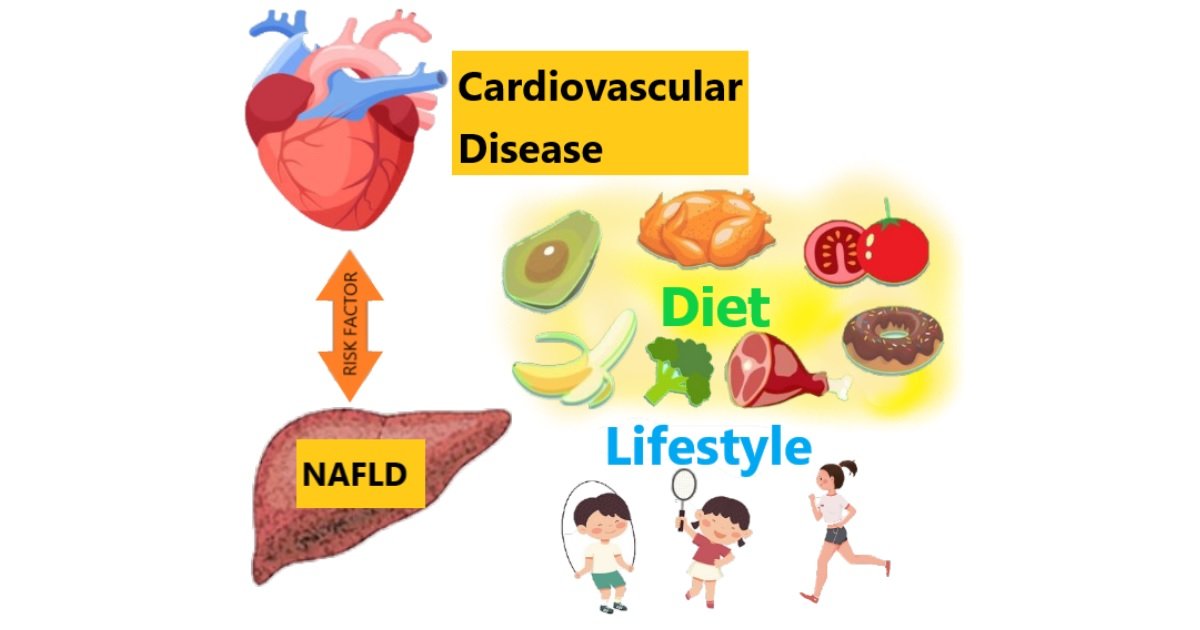
We focus on increasing fiber-rich and nutrient-dense foods while encouraging healthier fats and balanced meals. These changes can support healthier lipid levels, weight management, and improved cardiovascular health.

Book a consultation

Dyslipidemia

Know your risk

What increases the risk of Obesity & Metabolic Health?

A diet high in processed foods, sugar, and unhealthy fats, combined with a sedentary lifestyle, significantly increases the risk of obesity and metabolic health problems. Lack of regular physical activity slows metabolism and leads to excess fat accumulation in the body over time. In addition, lack of regular physical activity slows down metabolism and reduces the body’s ability to burn calories efficiently.

Unhealthy Diet & Low Activity

Eating high-calorie junk food, sugary drinks, and oversized portions, along with little or no exercise, increases the risk of obesity. When the body burns fewer calories than it consumes, excess fat starts to build up, leading to metabolic health problems.

Why GODC?

GODC builds a personalised, evidence-based nutrition plan around your diagnosis, medical history and goals, and tracks your progress against defined health markers throughout your care.
Book a Consultation

Genetics & Medical Conditions

Family history, hormonal imbalances (like thyroid issues or PCOS), and some medications can also raise the risk of obesity. These factors affect metabolism and make it easier for the body to gain weight even without overeating.

Why GODC?

GODC builds a personalised, evidence-based nutrition plan around your diagnosis, medical history and goals, and tracks your progress against defined health markers throughout your care.
Book a Consultation

When to see a Nutrition Specialist?

You should see a nutrition specialist if you are struggling with weight gain, obesity, or difficulty managing your eating habits despite trying on your own. They can help identify unhealthy dietary patterns and create a personalized plan for safe and sustainable weight loss.

Book an Appointment

Diagnosis & care

How is Obesity & Metabolic Health Diagnosed?

Obesity and metabolic diseases are usually diagnosed through a combination of physical examination, medical history, and clinical measurements such as BMI, waist circumference, blood pressure, and blood tests. Doctors also assess lifestyle factors and related health conditions to confirm the diagnosis and severity.

Causes

Common contributing factors include:

  • Unhealthy diet
  • Lack of exercise
  • Genetics
  • Hormonal imbalance
  • Stress and poor sleep
  • Certain medications

Treatment

If symptoms are mild, your clinician may advise simple measures such as:

  • Regular physical activity
  • Weight loss plan
  • Better sleep habits
  • Stress management
  • Routine check-ups

Predispositions

You may be at higher risk if you have:

  • Family history
  • Older age
  • Diabetes risk
  • High blood pressure
  • Hormonal disorders

Take the next step

Start your journey toward better health

Speak with our nutrition specialists about a personalised plan for your condition.