


Our Services

Cardiovascular Diseases

Cardiovascular diseases are conditions that affect the heart and blood vessels, impacting the body’s ability to circulate blood efficiently. These disorders include coronary artery disease, heart failure, arrhythmias, and stroke-related conditions. Early diagnosis, healthy lifestyle choices, and timely treatment can help reduce complications and support long-term heart health.

Know the signs

Early Signs of Cardiovascular Diseases

Cardiovascular diseases often begin with mild symptoms that may be mistaken for everyday fatigue or stress. Early warning signs can include chest discomfort, shortness of breath, dizziness, or unusual tiredness during routine activities.

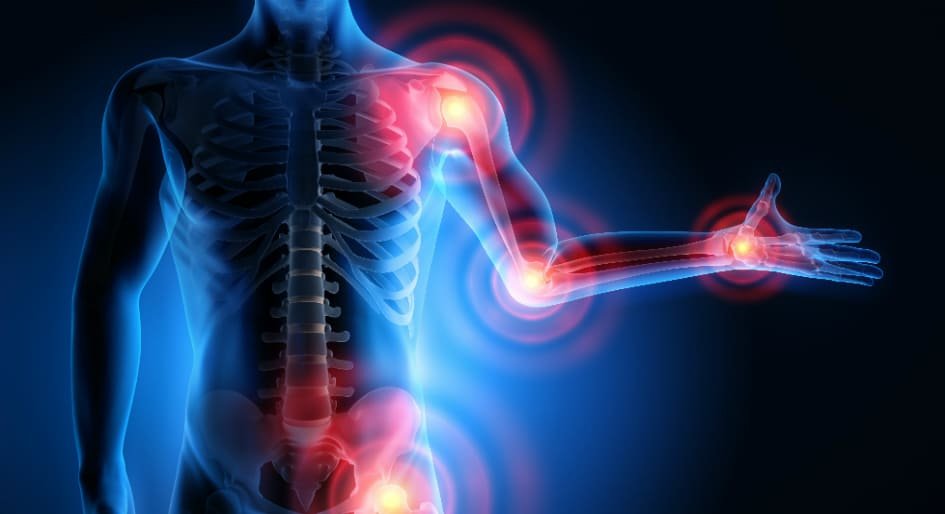
Some people may notice a rapid or irregular heartbeat, swelling in the legs or ankles, or pain that spreads to the arms, neck, jaw, or shoulders. These symptoms can develop gradually or appear suddenly.

Recognizing these early signs and seeking medical attention promptly can help prevent serious complications. Early diagnosis and appropriate treatment are essential for protecting heart health and improving long-term outcomes.

Early Signs of Cardiovascular Diseases

Understanding the condition

Causes of Cardiovascular Diseases

Cardiovascular diseases can develop due to a combination of genetic, lifestyle, and medical factors that affect the heart and blood vessels. Poor diet, physical inactivity, smoking, high blood pressure, and diabetes are among the most common causes. Identifying these risk factors early can help prevent complications and support long-term heart health.

High Blood Pressure

High blood pressure places extra strain on the heart and blood vessels, increasing the risk of heart disease and stroke. Managing blood pressure through medication and healthy lifestyle choices is essential for cardiovascular health.

Unhealthy Lifestyle

Poor eating habits, lack of physical activity, smoking, and excessive alcohol consumption can damage the heart over time. Adopting healthy daily habits can significantly reduce the risk of cardiovascular diseases.

High Cholesterol

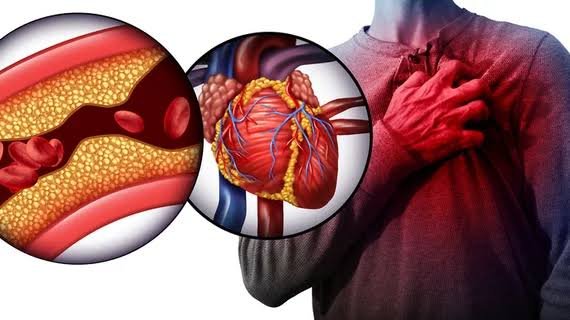
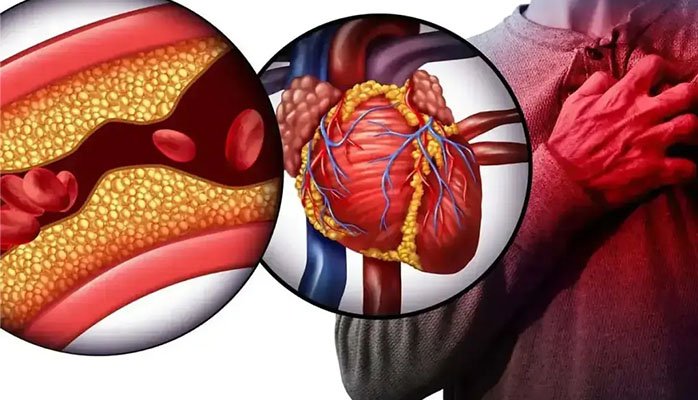
High cholesterol can lead to the buildup of plaque inside the arteries, restricting blood flow to the heart. Regular health checkups, a balanced diet, and proper treatment can help maintain healthy cholesterol levels.

Our care

Coronary Artery Disease (CAD)

Our nutrition care for Coronary Artery Disease focuses on supporting heart health through personalized dietary and lifestyle strategies. We consider your medical history, eating habits, weight, and cardiovascular risk factors when developing your nutrition plan.

We emphasize balanced meals, vegetables, fruits, whole grains, fiber-rich foods, and healthier fats while limiting excessive saturated fat, sodium, and highly processed foods. The goal is to support cardiovascular health and promote long-term well-being.

Book a consultation

Coronary Artery Disease (CAD)

Our care

Rehabilitation

Nutrition plays an important role during cardiovascular rehabilitation by supporting recovery, strength, energy, and overall heart health. We provide personalized nutrition guidance based on your medical condition, recovery stage, activity level, and individual nutritional needs.

Our approach focuses on balanced meals, adequate protein, essential nutrients, and heart-healthy food choices. We aim to support a healthy recovery while helping patients develop sustainable eating habits for long-term health.

Book a consultation

Rehabilitation

Our care

Stroke (CVA)

Our nutrition care for stroke patients focuses on supporting recovery, maintaining adequate nutrition, and managing cardiovascular risk factors. Nutrition plans are personalized according to the patient’s condition, nutritional needs, swallowing concerns, and overall recovery goals.

We provide guidance on balanced meals, appropriate portions, hydration, and heart-healthy food choices. Our goal is to support nutritional status and promote healthier lifestyle habits during and after recovery.

Book a consultation

Stroke (CVA)

Our care

Peripheral Vascular Disease

Our nutrition approach for Peripheral Vascular Disease focuses on supporting circulation and cardiovascular health through healthier dietary and lifestyle choices. We assess individual risk factors, eating patterns, weight, and existing medical conditions when creating a personalized plan.

We encourage nutrient-rich foods, fiber, healthy fats, and balanced meals while reducing excessive sodium, saturated fats, and highly processed foods. This approach supports overall vascular health and long-term well-being.

Book a consultation

Peripheral Vascular Disease

Know your risk

What increases the risk of Cardiovascular Diseases?

Several factors can increase the risk of developing cardiovascular diseases, including high blood pressure, high cholesterol, diabetes, obesity, smoking, physical inactivity, unhealthy eating habits, and chronic stress. Family history and advancing age also play an important role in increasing the likelihood of heart-related conditions. Understanding these risk factors and taking preventive measures can help protect your heart, reduce complications, and improve long-term cardiovascular health.

Family History

A family history of heart disease can increase your risk of developing cardiovascular conditions. While genetics cannot be changed, regular health screenings and preventive care can help reduce potential complications.

Why GODC?

Our skilled cardiology team provides accurate diagnosis and personalized treatment plans to help you achieve better heart health with confidence.
Book a Consultation

Poor Lifestyle Habits

Smoking, unhealthy eating, lack of exercise, excessive alcohol use, and chronic stress can significantly impact heart health. Making healthier lifestyle choices can lower the risk of cardiovascular diseases and improve overall well-being.

Why GODC?

GODC combines modern diagnostic technology with compassionate care to deliver effective treatment and long-term cardiovascular wellness.

Book a Consultation

When to see a Nutrition Specialist?

If you experience chest pain, shortness of breath, irregular heartbeat, dizziness, swelling in the legs, or unexplained fatigue, it is important to consult a cardiologist. Early evaluation can help detect heart conditions, prevent complications, and ensure timely treatment for better cardiovascular health.

Book an Appointment

Diagnosis & care

How Are Cardiovascular Diseases Diagnosed?

Diagnosing cardiovascular diseases begins with a detailed review of your medical history, symptoms, and a physical examination. Your doctor may recommend diagnostic tests such as blood tests, electrocardiograms (ECG), echocardiograms, or cardiac imaging to assess heart function. Early and accurate diagnosis helps guide effective treatment and reduces the risk of serious heart complications.

Causes

Common contributing factors include:

  • High blood pressure
  • High cholesterol
  • Diabetes
  • Smoking
  • Obesity
  • Physical inactivity

Treatment

If symptoms are mild, your clinician may advise simple measures such as:

  • Prescription medications
  • Lifestyle changes
  • Heart-healthy diet
  • Regular exercise
  • Cardiac rehabilitation
  • Surgical procedures

Predispositions

You may be at higher risk if you have:

  • Family history
  • Older age
  • Obesity
  • Chronic stress
  • Excessive alcohol use

Take the next step

Start your journey toward better health

Speak with our nutrition specialists about a personalised plan for your condition.