

Our Services

Cardiometabolic Disorders

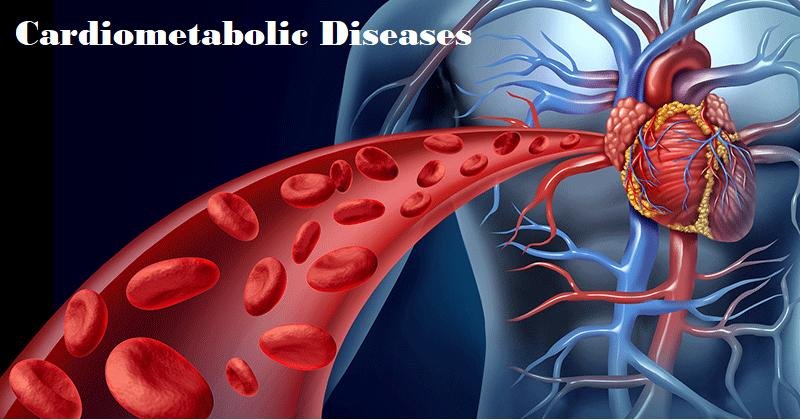
We provide nutrition care for individuals living with type 2 diabetes, prediabetes, insulin resistance, hypertension, coronary artery disease, metabolic syndrome, and related conditions. By evaluating your overall cardiometabolic health, we develop personalized lifestyle and nutrition plans that support healthy blood sugar levels, cardiovascular health, and sustainable long-term disease management.

Know the signs

Early Signs of Cardiometabolic Disorders

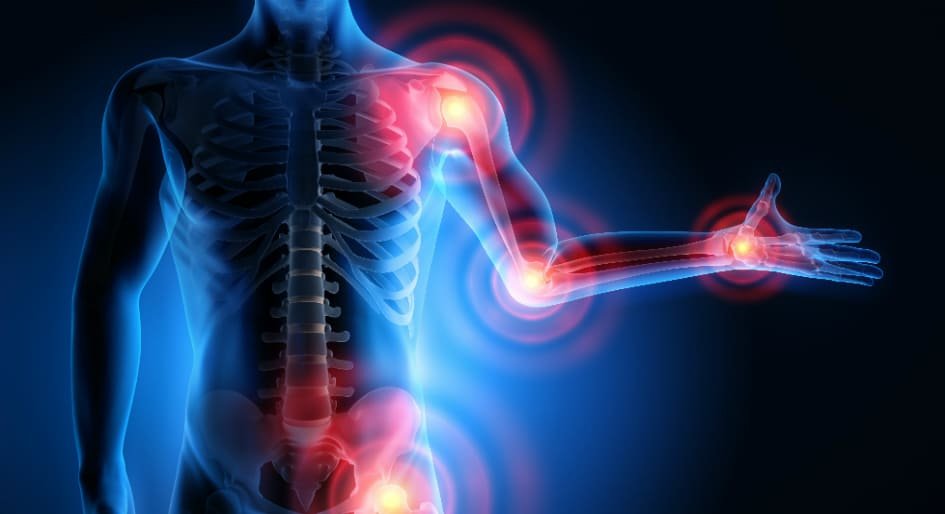
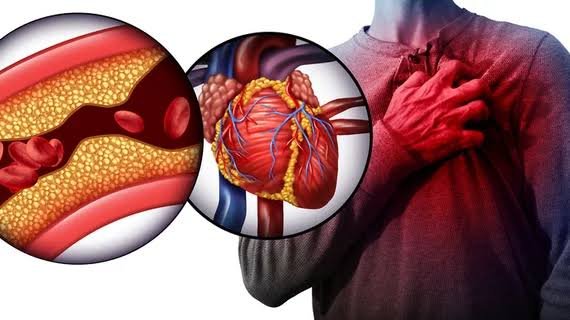
Persistent fatigue, low energy levels, and unexplained weight gain can be early indicators of cardiometabolic disorders. These symptoms often develop gradually and may be linked to changes in metabolism, insulin resistance, or underlying cardiovascular risk factors.

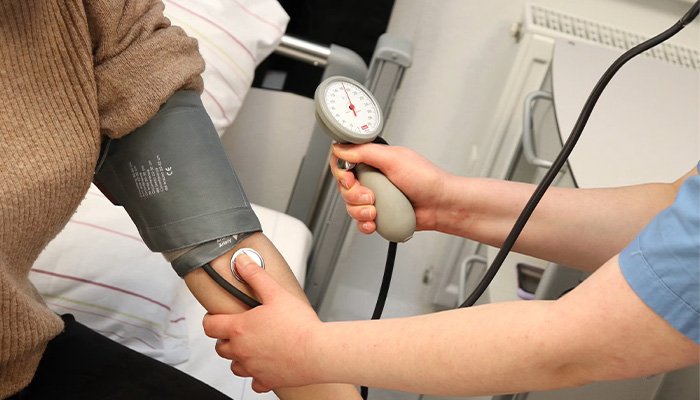
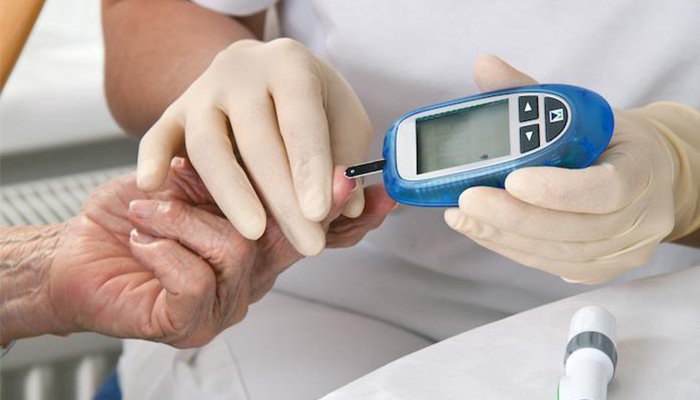
High blood pressure, elevated blood sugar levels, and abnormal cholesterol levels are common warning signs that should not be ignored. Regular health screenings can help identify these issues early, allowing for timely intervention and better long-term outcomes.

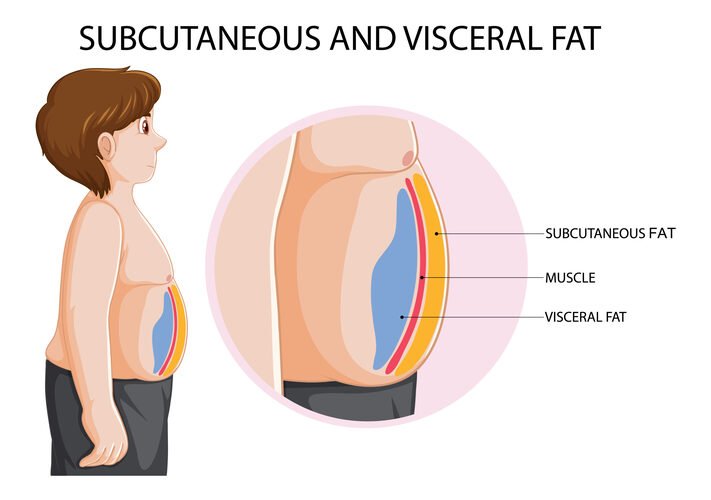
Excess abdominal fat, shortness of breath during routine activities, and reduced physical endurance may also signal cardiometabolic health concerns. Addressing these symptoms through lifestyle changes and medical care can help lower the risk of serious complications such as heart disease and diabetes.

Early Signs of Cardiometabolic Disorders

Understanding the condition

Causes of Cardiometabolic Disorders

Cardiometabolic disorders develop due to a combination of lifestyle, genetic, and environmental factors that affect both heart and metabolic health. Poor dietary habits, lack of physical activity, obesity, and chronic stress can all contribute to insulin resistance, high blood pressure, and abnormal cholesterol levels, increasing the overall risk of cardiovascular and metabolic complications.

Unhealthy Diet and Lifestyle

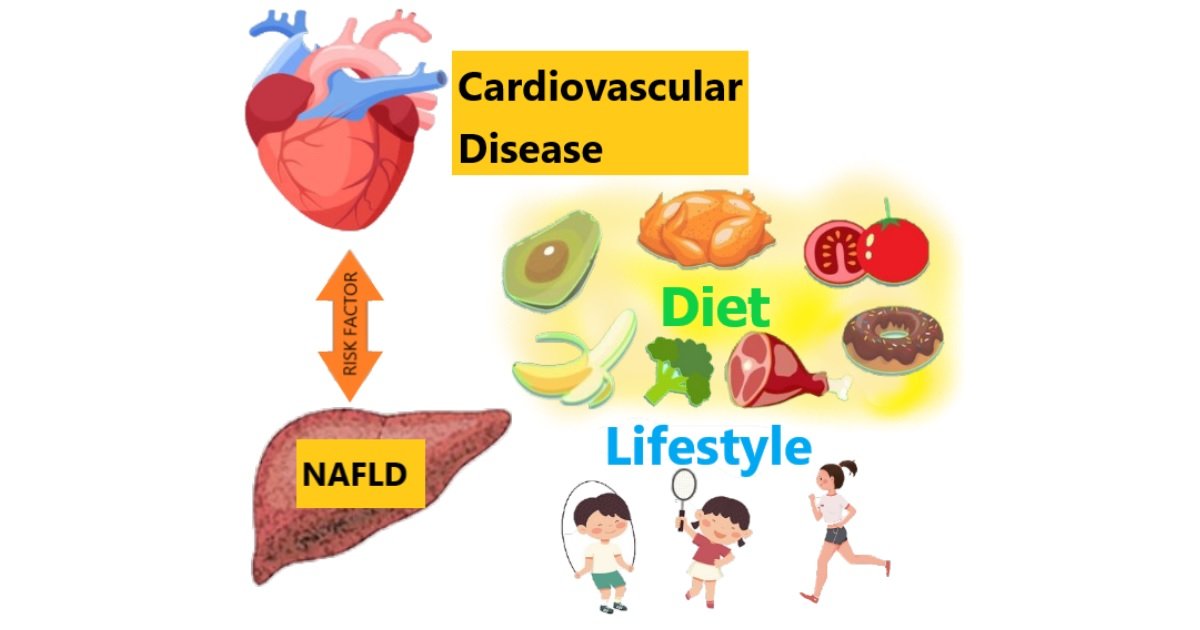
A diet high in processed foods, sugar, and unhealthy fats can lead to weight gain and metabolic imbalance. Combined with a sedentary lifestyle, it significantly increases the risk of cardiometabolic disorders.

Genetic and Family History

A family history of diabetes, hypertension, or heart disease can increase susceptibility. Genetic factors may influence how the body processes sugar, fat, and blood pressure regulation.

Chronic Stress and Poor Sleep

Long-term stress and inadequate sleep disrupt hormone balance and metabolism. These factors can contribute to weight gain, elevated blood pressure, and increased cardiometabolic risk.

Our care

Hypertension

Our nutrition care for hypertension focuses on supporting healthy blood pressure through personalized dietary and lifestyle strategies. We consider your eating habits, health history, activity level, and individual nutritional needs when creating your plan.

We emphasize balanced meals, appropriate portions, fruits and vegetables, whole grains, and healthier food choices while reducing excessive sodium and highly processed foods. The goal is to support better blood pressure control and long-term cardiovascular health.

Book a consultation

Hypertension

Our care

Type 1 Diabetes Mellitus

Our nutrition support for Type 1 Diabetes focuses on helping patients manage blood glucose while meeting their daily nutritional needs. Personalized meal planning takes into account insulin therapy, carbohydrate intake, activity levels, and individual lifestyle requirements.

We guide patients toward balanced meals, appropriate carbohydrate portions, and consistent eating patterns. Our goal is to support better glucose management, maintain energy, and promote overall health and well-being.

Book a consultation

Type 1 Diabetes Mellitus

Our care

Type 2 Diabetes Mellitus

Our nutrition care for Type 2 Diabetes focuses on improving blood glucose management through personalized meal planning and sustainable lifestyle changes. We consider your weight, eating habits, activity level, medications, and overall health when developing your nutrition plan.

We encourage balanced meals with appropriate portions, fiber-rich foods, quality protein, and healthier carbohydrate choices. These strategies can support better glucose control, healthy weight management, and improved metabolic health.

Book a consultation

Type 2 Diabetes Mellitus

Our care

Prediabetes

Our nutrition approach for prediabetes focuses on improving blood sugar levels and reducing the risk of progressing to Type 2 Diabetes. We create practical meal plans based on your lifestyle, eating habits, weight, and individual health goals.

We focus on balanced meals, portion control, fiber-rich foods, and healthier carbohydrate choices while reducing excess sugar and highly processed foods. The aim is to support better metabolic health and encourage sustainable lifestyle changes.

Book a consultation

Prediabetes

Know your risk

What increases the risk of Cardiometabolic Disorders?

The risk of cardiometabolic disorders increases due to unhealthy lifestyle habits such as poor diet, physical inactivity, smoking, and excess body weight. Genetic predisposition, chronic stress, poor sleep, and existing conditions like diabetes or hypertension also raise the risk. When combined, these factors significantly increase the chances of developing long-term cardiometabolic complications.

Lifestyle Risk Factors

Unhealthy eating habits, lack of exercise, smoking, and obesity significantly increase the risk of developing cardiometabolic disorders by affecting blood sugar, blood pressure, and cholesterol levels.

Why GODC?

GODC builds a personalised, evidence-based nutrition plan around your diagnosis, medical history and goals, and tracks your progress against defined health markers throughout your care.
Book a Consultation

Medical & Genetic Factors

A family history of diabetes, heart disease, or hypertension, along with conditions like stress or poor sleep, can further raise the likelihood of cardiometabolic health problems.

Why GODC?

GODC builds a personalised, evidence-based nutrition plan around your diagnosis, medical history and goals, and tracks your progress against defined health markers throughout your care.
Book a Consultation

When to see a Nutrition Specialist?

You should see a cardiometabolic specialist if you experience symptoms such as persistent fatigue, high blood pressure, weight gain, or elevated blood sugar levels. Early evaluation can help identify underlying cardiometabolic disorders and prevent serious health complications.

Book an Appointment

Diagnosis & care

How is Cardiometabolic Disorders Diagnosed?

Cardiometabolic disorders are diagnosed through a comprehensive evaluation that includes a review of your medical history, physical examination, and laboratory testing. Your healthcare provider may assess blood pressure, blood sugar levels, cholesterol levels, body weight, and other risk factors to determine your overall cardiometabolic health and identify any underlying conditions.

Causes

Common contributing factors include:

  • Unhealthy diet
  • Physical inactivity
  • Obesity or excess weight
  • Smoking
  • Chronic stress
  • Poor sleep habits

Treatment

If symptoms are mild, your clinician may advise simple measures such as:

  • Personalized nutrition plans
  • Regular physical activity
  • Weight management programs
  • Blood pressure control
  • Blood sugar management
  • Cholesterol-lowering therapies

Predispositions

You may be at higher risk if you have:

  • Family history of heart disease
  • Family history of diabetes
  • Prediabetes or diabetes
  • High cholesterol levels
  • Metabolic syndrome
  • High blood pressure

Take the next step

Start your journey toward better health

Speak with our nutrition specialists about a personalised plan for your condition.