



Our Services

Neurological Nutrition

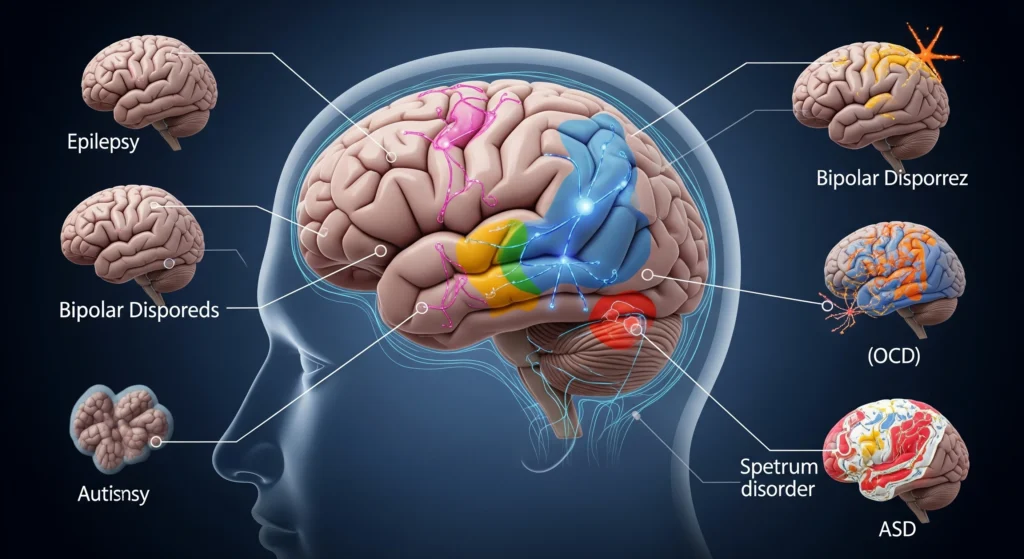
Neurological conditions such as stroke, Parkinson’s disease, Alzheimer’s disease, and epilepsy often affect nutritional status and overall health. Our nutrition care is designed to complement medical treatment by supporting adequate nutrition, managing swallowing-related concerns when appropriate, and promoting overall neurological health and quality of life.

Know the signs

Early Signs of Neurological Disorders

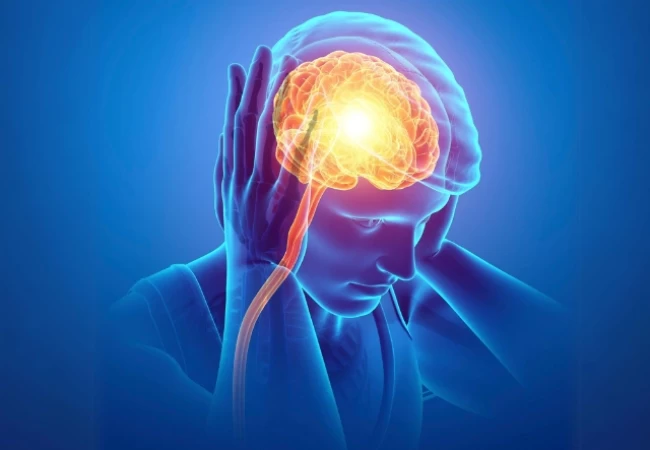
Early signs of neurological disorders can vary depending on the condition, but they often begin with subtle changes that are easy to overlook. Common symptoms include frequent headaches, dizziness, numbness or tingling in the hands and feet, muscle weakness, and difficulty maintaining balance. These signs may develop gradually or appear suddenly and should not be ignored if they persist.

Changes in memory, concentration, or thinking ability can also be early indicators of a neurological condition. Some individuals may experience confusion, difficulty finding words, blurred or double vision, hearing changes, or problems with coordination.

Seeking medical attention at the first sign of persistent neurological symptoms is important for early diagnosis and effective treatment. A healthcare professional may recommend neurological examinations, imaging tests, or other diagnostic procedures to identify the underlying cause.

Early Signs of Neurological Disorders

Understanding the condition

Causes of Neurological Disorders

Neurological disorders can develop due to a variety of factors that affect the brain, spinal cord, or nervous system. Some causes are inherited, while others result from injuries, infections, or lifestyle-related conditions. Understanding these causes can help with early prevention, diagnosis, and effective treatment.

Genetic Factors

Some neurological disorders are passed down through family genes, increasing the risk of developing certain conditions. These inherited genetic changes can affect how the brain and nervous system function over time. Although genetic disorders cannot always be prevented, early screening and medical care can help manage symptoms and improve quality of life.

Brain Injury & Trauma

Traumatic injuries to the head or spinal cord can damage nerve cells and disrupt communication within the nervous system. Falls, road accidents, sports injuries, or severe blows to the head are common causes. Depending on the severity of the injury, individuals may experience long-term neurological symptoms that require ongoing treatment and rehabilitation.

Infections & Medical Conditions

Certain infections, autoimmune diseases, strokes, and chronic medical conditions can harm the brain and nervous system. Inflammation or reduced blood flow may interfere with normal nerve function, leading to neurological complications. Prompt diagnosis and appropriate treatment can reduce the risk of permanent damage and support better recovery.

Our care

Stroke Rehabilitation

Our nutrition care during stroke rehabilitation focuses on supporting recovery, strength, energy, and overall nutritional health. We create personalized plans based on the patient’s condition, activity level, appetite, swallowing ability, and individual nutritional needs.

We focus on adequate protein, calories, hydration, and nutrient-rich foods while considering any swallowing or feeding difficulties. The goal is to support rehabilitation, maintain strength, and promote better overall well-being.

Book a consultation

Stroke Rehabilitation

Our care

Dementia

Our nutrition approach for dementia focuses on maintaining adequate nutrition, hydration, and healthy body weight as eating patterns and appetite may change over time. We develop practical meal plans based on the patient’s preferences, abilities, medical needs, and stage of disease.

We encourage nutrient-dense, easy-to-eat meals and simple routines that can make eating more manageable. Our goal is to support nutritional status, energy, and quality of life for patients and their caregivers.

Book a consultation

Dementia

Our care

Parkinson’s Disease

Our nutrition care for Parkinson’s Disease focuses on maintaining strength, energy, healthy weight, and adequate nutrient intake. Plans are personalized according to symptoms, appetite, activity level, swallowing concerns, and individual dietary needs.

We provide guidance on balanced meals, protein, fiber, hydration, and practical eating strategies. Where medication timing may affect nutrition, dietary recommendations can be coordinated with the patient’s healthcare plan.

Book a consultation

Parkinson’s Disease

Our care

Neuropathy (Especially Diabetic)

Our nutrition approach for diabetic neuropathy focuses on supporting blood glucose management and overall metabolic health. Personalized nutrition plans are designed around the patient’s dietary habits, diabetes management, lifestyle, and nutritional requirements.

We emphasize balanced meals, appropriate carbohydrate portions, fiber-rich foods, quality protein, and essential nutrients. The goal is to support better metabolic health while promoting healthy eating habits and overall well-being.

Book a consultation

Neuropathy (Especially Diabetic)

Know your risk

Factors That Increase the Risk of Neurological Disorders

Several factors can increase the likelihood of developing neurological disorders, including genetics, aging, medical conditions, and lifestyle habits. While some risk factors cannot be changed, many can be managed through healthy choices and regular medical care. Understanding these risks allows for earlier detection and better prevention. Maintaining overall health and seeking timely medical attention can help reduce the chances of developing neurological complications.

Aging

At GODC, we combine expert medical care with personalized treatment plans to support your neurological health and overall well-being. Our patient-focused approach ensures accurate diagnosis, compassionate care, and long-term health management.

Why GODC?

GODC builds a personalised, evidence-based nutrition plan around your diagnosis, medical history and goals, and tracks your progress against defined health markers throughout your care.
Book a Consultation

Unhealthy Lifestyle

GODC is dedicated to delivering trusted, patient-centered healthcare with a focus on quality, innovation, and compassionate support. Our experienced specialists use advanced diagnostic techniques and personalized treatment plans to help every patient.

Why GODC?

GODC builds a personalised, evidence-based nutrition plan around your diagnosis, medical history and goals, and tracks your progress against defined health markers throughout your care.
Book a Consultation

When to see a Nutrition Specialist?

If you experience persistent headaches, dizziness, numbness, memory problems, seizures, or difficulty with balance and coordination, it may be time to see a neurologist. Early evaluation can help identify the underlying cause and ensure timely treatment to protect your neurological health.

Book an Appointment

Diagnosis & care

How Are Neurological Disorders Diagnosed?

Diagnosing neurological disorders begins with a detailed review of your medical history, symptoms, and a comprehensive neurological examination. Depending on the condition, your healthcare provider may recommend imaging studies, laboratory tests, or nerve function assessments to identify the underlying cause. An accurate diagnosis helps guide the most effective treatment plan and improves long-term health outcomes.

Causes

Common contributing factors include:

  • Genetic conditions
  • Brain injuries
  • Infections
  • Stroke
  • Autoimmune diseases
  • Vitamin deficiencies

Treatment

If symptoms are mild, your clinician may advise simple measures such as:

  • Prescription medications
  • Physical therapy
  • Occupational therapy
  • Lifestyle modifications

Predispositions

You may be at higher risk if you have:

  • Family history
  • Advanced age
  • High blood pressure
  • Diabetes
  • Smoking

Take the next step

Start your journey toward better health

Speak with our nutrition specialists about a personalised plan for your condition.