


Our Services

Geriatric & Palliative Care Nutrition

Older adults and individuals with serious illnesses often have unique nutritional needs. We provide personalized nutrition support for frailty, dementia, cancer-related weight loss, and palliative care. Our focus is on maintaining nutritional status, supporting strength and comfort, and improving quality of life while considering the needs of both patients and caregivers.

Know the signs

Early Signs of Geriatric & Palliative Care Nutrition

Changes in nutritional needs often begin with a reduced appetite, unexplained weight loss, fatigue, or difficulty eating. Older adults and individuals with chronic illnesses may also experience muscle weakness, dehydration, or poor energy levels.

Some people may find it difficult to chew or swallow food, while others may struggle to maintain a balanced diet due to illness or medication side effects. These changes can affect overall health, recovery, and daily functioning.

Recognizing these early signs and seeking professional nutritional support can help prevent malnutrition and improve quality of life. A personalized nutrition plan can promote comfort, maintain strength, and support overall well-being.

Early Signs of Geriatric & Palliative Care Nutrition

Understanding the condition

Causes of Geriatric & Palliative Care Nutrition

The need for geriatric and palliative nutrition support can arise from aging, chronic illnesses, cancer, neurological conditions, or other serious health issues that affect eating and nutrient absorption. Reduced appetite, swallowing difficulties, and increased nutritional requirements can also contribute to poor nutritional status. Early nutritional intervention helps maintain strength, improve comfort, and support overall well-being.

Age-Related Changes

As people age, their metabolism, appetite, and ability to absorb nutrients naturally decline. These changes can increase the risk of malnutrition and make proper nutritional support essential.

Chronic Illnesses

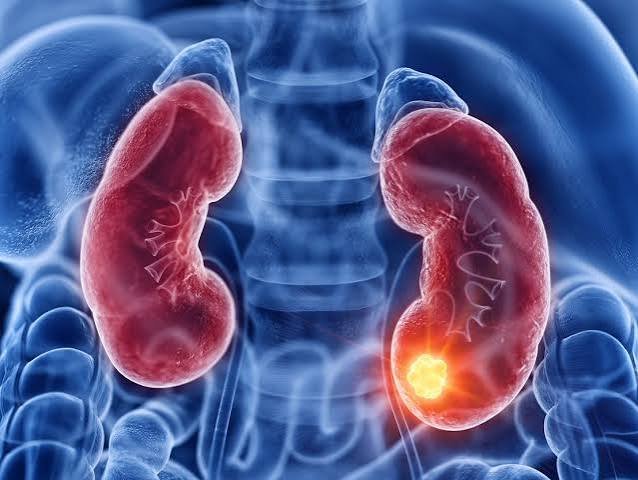
Conditions such as cancer, heart disease, kidney disease, and neurological disorders can affect appetite, digestion, and the body’s nutritional needs. A personalized nutrition plan helps support recovery and improve quality of life.

Difficulty Eating & Swallowing

Problems with chewing, swallowing, or digestion can make it challenging to consume enough nutrients. Specialized dietary guidance can help ensure safe eating and adequate nutritional intake.

Our care

Frailty & Age-related Malnutrition

Our nutrition care for older adults focuses on preventing and managing malnutrition, maintaining strength, and supporting healthy aging. We create personalized nutrition plans based on appetite, medical conditions, mobility, food preferences, and individual nutritional needs.

We focus on adequate protein, calories, hydration, and essential nutrients to help maintain muscle strength and overall well-being. Our goal is to support independence, energy, and quality of life.

Book a consultation

Frailty & Age-related Malnutrition

Our care

Cachexia

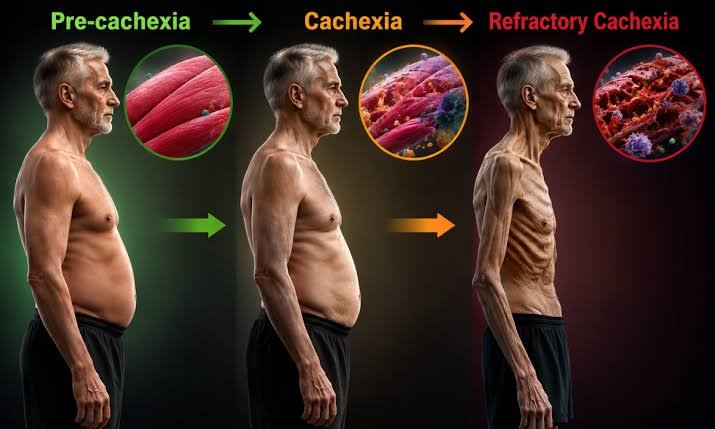
Our nutrition support for cachexia focuses on maintaining nutritional status, strength, and comfort in patients experiencing significant weight and muscle loss. Plans are tailored to the patient’s medical condition, appetite, symptoms, and individual needs.

We focus on nutrient-dense foods, adequate protein and energy, hydration, and practical meal strategies. The aim is to support strength, comfort, and quality of life rather than focusing only on weight gain.

Book a consultation

Cachexia

Our care

End-of-life Nutritional Support

Our end-of-life nutrition care focuses on comfort, dignity, and the individual wishes of the patient. Nutrition and hydration recommendations are personalized according to the patient’s condition, symptoms, preferences, and goals of care.

We provide compassionate guidance to patients and families regarding appropriate food, fluids, and feeding approaches. The focus is on comfort and quality of life rather than unnecessary dietary restrictions.

Book a consultation

End-of-life Nutritional Support

Our care

Dysphagia Management

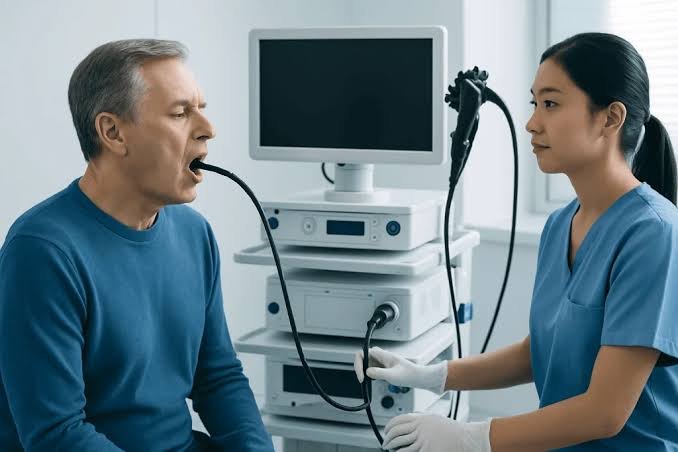
Our nutrition care for dysphagia focuses on helping patients meet their nutritional and hydration needs while supporting safer and more comfortable eating. We tailor food textures, meal consistency, and nutritional choices according to individual swallowing needs.

We also focus on maintaining adequate calories, protein, and fluids while making meals practical and enjoyable. Our goal is to support nutritional health, comfort, and overall quality of life.

Book a consultation

Dysphagia Management

Know your risk

What increases the risk of Geriatric & Palliative Care Nutrition?

Several factors can increase the risk of poor nutrition in older adults and individuals receiving palliative care, including advanced age, chronic illnesses, reduced appetite, difficulty chewing or swallowing, medication side effects, and limited mobility. Understanding these risk factors allows for early nutritional intervention and better health outcomes. Personalized dietary support can help prevent malnutrition, improve energy levels, manage symptoms, and enhance comfort and quality of life.

Chronic Medical Conditions

Long-term illnesses such as cancer, dementia, kidney disease, and heart disease can increase the body’s nutritional needs while reducing appetite and food intake. Proper nutritional care helps support strength, recovery, and overall well-being.

Why GODC?

At GODC, our nutrition specialists create individualized meal plans based on each patient’s age, medical condition, and nutritional needs. This personalized approach helps improve health, comfort, and overall quality of life.
Book a Consultation

Reduced Appetite & Swallowing Difficulties

Aging, illness, and certain medications can lead to poor appetite or difficulty chewing and swallowing. These challenges may result in inadequate nutrition, making early dietary support essential for maintaining health and quality of life.

Why GODC?

GODC provides evidence-based nutritional guidance with a patient-centered approach. Our experienced team works closely with patients and families to deliver ongoing support.

Book a Consultation

When to see a Nutrition Specialist?

If you or a loved one is experiencing unexplained weight loss, poor appetite, difficulty chewing or swallowing, fatigue, or nutritional deficiencies, it is important to consult a nutrition specialist. Early nutritional assessment can help prevent malnutrition, support recovery, and improve overall health and quality of life. Personalized dietary guidance ensures that nutritional needs are met at every stage of care.

Book an Appointment

Diagnosis & care

How is Geriatric & Palliative Care Nutrition Diagnosed?

Geriatric and palliative care nutrition is assessed through a comprehensive evaluation of a patient’s medical history, dietary habits, weight changes, symptoms, and overall nutritional status. A nutrition specialist may also review laboratory results, physical health, and underlying medical conditions to identify nutritional deficiencies or risks. This assessment helps create a personalized nutrition plan that supports comfort, strength, and overall quality of life.

Causes

Common contributing factors include:

  • Aging
  • Chronic illnesses
  • Poor appetite
  • Swallowing difficulties
  • Medication side effects

Treatment

If symptoms are mild, your clinician may advise simple measures such as:

  • Personalized meal plans
  • Oral nutrition supplements
  • Symptom management
  • Hydration support
  • Swallowing therapy

Predispositions

You may be at higher risk if you have:

  • Advanced age
  • Cancer
  • Dementia
  • Reduced mobility
  • Long-term medication use

Take the next step

Start your journey toward better health

Speak with our nutrition specialists about a personalised plan for your condition.