

Our Services

Musculoskeletal Nutrition

Nutrition is an important part of maintaining healthy bones, muscles, and joints. We provide individualized nutrition support for osteoporosis, sarcopenia, arthritis, injury recovery, and rehabilitation. Our goal is to promote bone health, preserve muscle mass, support physical function, and complement rehabilitation programs.

Know the signs

Early Signs of Musculoskeletal Disorders

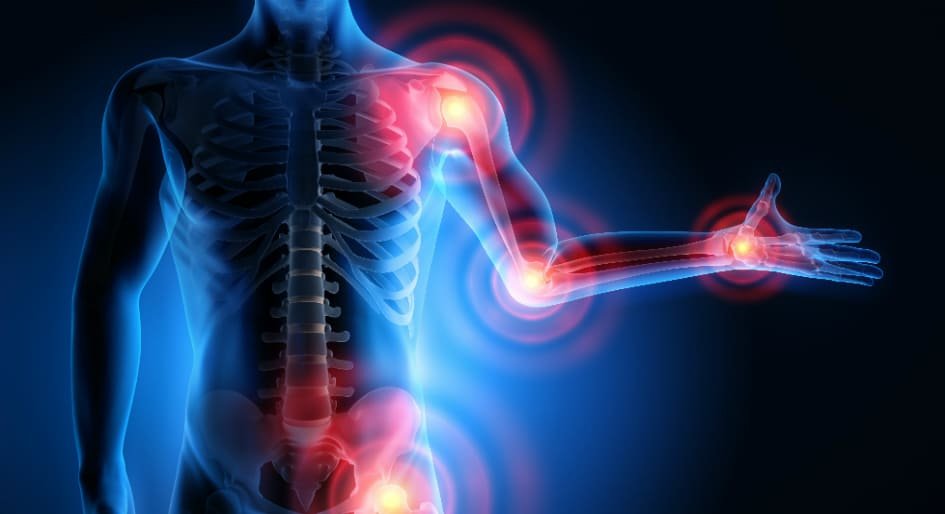
Early signs of musculoskeletal disorders often begin with mild pain, stiffness, or discomfort in the muscles, joints, or bones. These symptoms may appear after physical activity or gradually worsen over time.

Some individuals may notice swelling, reduced flexibility, muscle weakness, or difficulty performing everyday movements such as walking, bending, or lifting. Joint tenderness and decreased range of motion are also common early indicators.

Recognizing these symptoms early and seeking medical evaluation can help prevent further damage. Timely diagnosis and appropriate treatment can improve mobility, relieve pain, and support long-term musculoskeletal health.

Early Signs of Musculoskeletal Disorders

Understanding the condition

Causes of Musculoskeletal Disorders

Musculoskeletal disorders can develop due to a variety of factors that affect the bones, muscles, joints, ligaments, and tendons. Common causes include aging, repetitive movements, injuries, poor posture, and underlying medical conditions. Identifying these causes early can help prevent complications, reduce pain, and support long-term musculoskeletal health.

Repetitive Strain

Repeated movements and overuse of muscles or joints can place excessive stress on the musculoskeletal system. Over time, this may lead to inflammation, pain, stiffness, and reduced mobility.

Injury & Trauma

Falls, sports injuries, accidents, or fractures can damage bones, muscles, ligaments, and tendons. Proper treatment and rehabilitation are essential to restore function and prevent long-term complications.

Aging & Degeneration

As the body ages, bones, joints, and muscles naturally lose strength and flexibility. This gradual wear and tear can increase the risk of conditions such as osteoarthritis, osteoporosis, and chronic joint pain.

Our care

Osteoarthritis

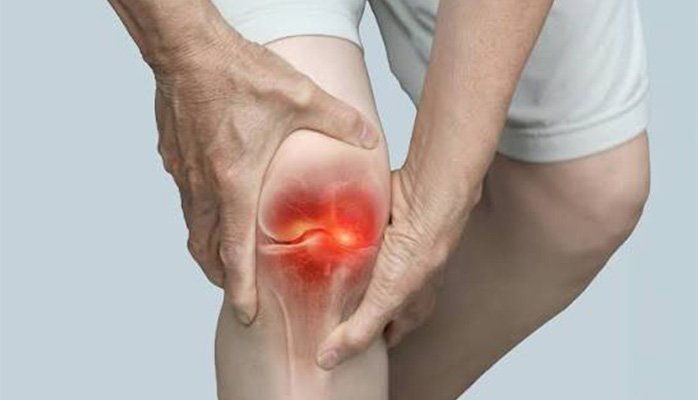
Our nutrition care for osteoarthritis focuses on supporting healthy body weight, joint health, and overall mobility through personalized dietary strategies. We consider your weight, lifestyle, activity level, eating habits, and individual nutritional needs.

We emphasize nutrient-rich foods, adequate protein, healthy fats, fiber, and a balanced diet while supporting healthy weight management. The goal is to promote overall joint and metabolic health and support an active lifestyle.

Book a consultation

Osteoarthritis

Our care

Rheumatoid Arthritis

Our nutrition approach for rheumatoid arthritis focuses on supporting overall health and maintaining adequate nutrition alongside medical care. Personalized plans are developed according to your symptoms, lifestyle, medications, weight, and individual nutritional requirements.

We encourage a balanced diet rich in vegetables, fruits, whole grains, healthy fats, and quality protein. The goal is to support nutritional health, healthy body weight, energy, and overall well-being.

Book a consultation

Rheumatoid Arthritis

Our care

Sarcopenia

Our nutrition care for sarcopenia focuses on maintaining and supporting muscle mass, strength, and physical function, particularly in older adults. We assess protein intake, body composition, activity levels, appetite, and overall nutritional status.

We focus on adequate protein, energy, and essential nutrients alongside appropriate physical activity. Our goal is to support muscle health, strength, mobility, and greater independence.

Book a consultation

Sarcopenia

Our care

Osteoporosis

Our nutrition support for osteoporosis focuses on maintaining strong bones and providing the nutrients needed for healthy bone health. We create personalized plans based on age, dietary habits, medical history, lifestyle, and individual nutritional needs.

We emphasize adequate calcium, vitamin D, protein, and other nutrient-rich foods as part of a balanced diet. The goal is to support bone strength, healthy body composition, and long-term musculoskeletal health.

Book a consultation

Osteoporosis

Know your risk

What Increases the Risk of Musculoskeletal Disorders?

Several factors can increase the risk of developing musculoskeletal disorders, including aging, obesity, repetitive physical activities, poor posture, lack of exercise, and previous injuries. Certain medical conditions, such as arthritis and osteoporosis, along with occupations that involve heavy lifting or prolonged sitting, can also place additional stress on the muscles, bones, and joints. Understanding these risk factors and adopting healthy habits can help reduce the likelihood of musculoskeletal problems.

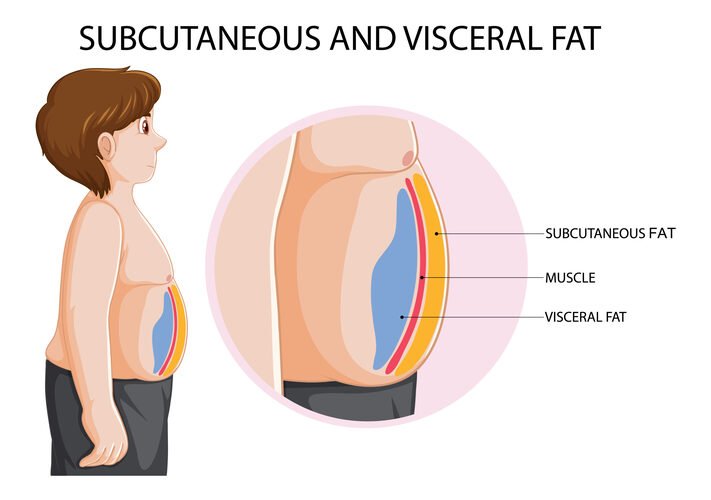
Obesity & Excess Weight

Carrying excess body weight places additional stress on the bones, joints, and muscles, especially the knees, hips, and lower back. Maintaining a healthy weight can reduce strain and lower the risk of musculoskeletal disorders.

Why GODC?

Our experienced specialists provide accurate diagnosis and personalized treatment plans to relieve pain, restore mobility, and improve your overall musculoskeletal health.
Book a Consultation

Poor Posture & Physical Inactivity

Poor posture and a sedentary lifestyle can weaken muscles, reduce flexibility, and increase pressure on the joints. Regular exercise and proper body mechanics help improve strength, mobility, and overall musculoskeletal health.
Why GODC?

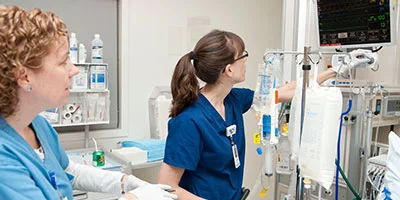
GODC offers advanced therapies and patient-focused rehabilitation programs designed to strengthen muscles, improve joint function, and support long-term recovery.

Book a Consultation

When to see a Nutrition Specialist?

If you experience persistent joint pain, muscle weakness, back pain, stiffness, swelling, or difficulty moving, it is important to consult a musculoskeletal specialist. Early evaluation can help identify the underlying cause and prevent the condition from worsening. Timely treatment can relieve pain, restore mobility, and improve your overall quality of life.

Book an Appointment

Diagnosis & care

How is Musculoskeletal Disorders Diagnosed?

Diagnosing musculoskeletal disorders begins with a detailed review of your medical history, symptoms, and a physical examination. Your healthcare provider may recommend imaging tests such as X-rays, MRI, CT scans, or ultrasound, along with blood tests if needed, to identify the underlying cause. An accurate diagnosis helps develop a personalized treatment plan, relieve symptoms, and restore mobility effectively.

Causes

Common contributing factors include:

  • Repetitive strain
  • Sports injuries
  • Poor posture
  • Arthritis
  • Osteoporosis
  • Aging

Treatment

If symptoms are mild, your clinician may advise simple measures such as:

  • Pain medications
  • Physical therapy
  • Lifestyle modifications
  • Joint injections
  • Rehabilitation programs

Predispositions

You may be at higher risk if you have:

  • Advanced age
  • Obesity
  • Family history
  • Sedentary lifestyle
  • Previous injuries

Take the next step

Start your journey toward better health

Speak with our nutrition specialists about a personalised plan for your condition.