
Heart disease remains one of the leading health concerns worldwide, but many cases can be prevented through daily choices. Nutrition plays a central role in protecting the heart and blood vessels from damage. The foods a person eats each day directly affect cholesterol levels, blood pressure, and blood vessel health. Therefore, understanding the connection between nutrition and cardiovascular prevention can help people make smarter choices. In this article, we will look at how nutrition supports heart health and which food habits offer the most protection.
The Link Between Nutrition and Heart Health
The heart depends on a steady supply of nutrients to function properly. A diet high in saturated fat, salt, and added sugar can raise blood pressure and cholesterol over time. As a result, the arteries may narrow, which increases the risk of heart attack and stroke. On the other hand, a balanced diet supports healthy blood vessels and reduces inflammation. Consequently, good nutrition acts as a foundation for long term cardiovascular prevention.
Heart Healthy Foods to Include in Your Diet
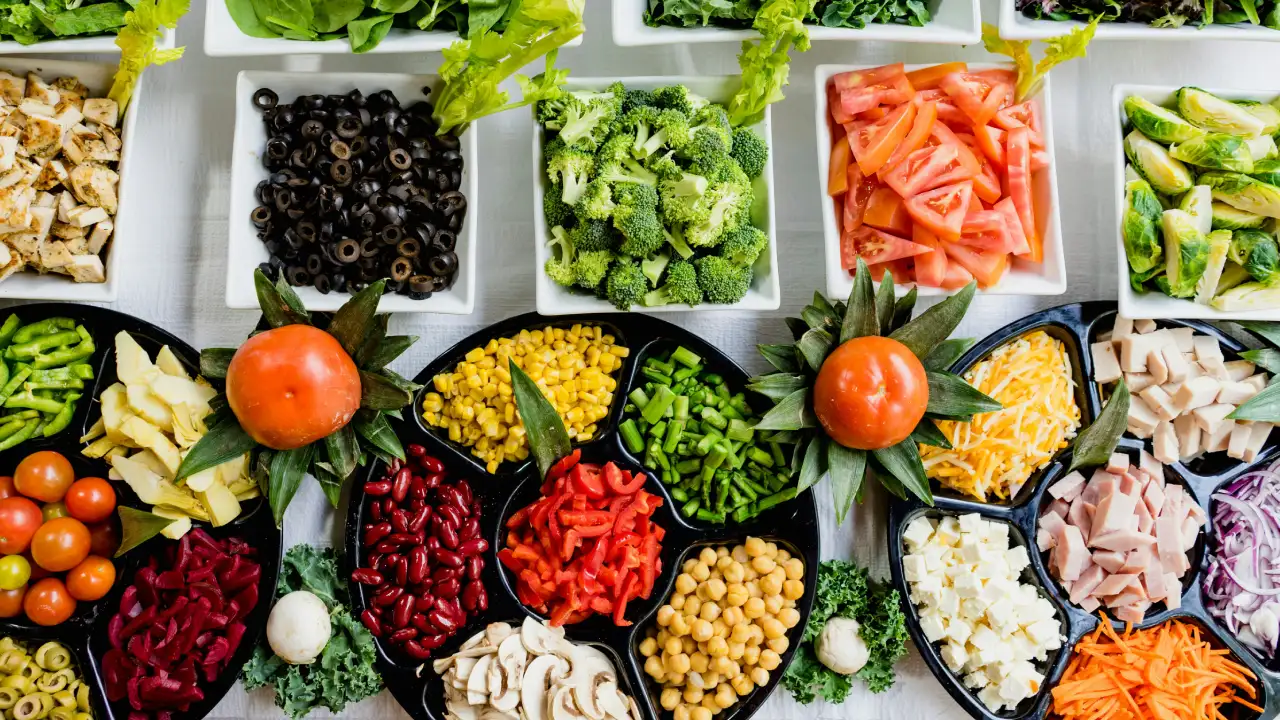
Fruits and vegetables provide fiber, vitamins, and antioxidants that protect the heart. Whole grains such as oats and brown rice also support healthy cholesterol levels. In addition, foods rich in omega 3 fatty acids, like salmon and walnuts, help reduce inflammation in blood vessels. Nuts, seeds, and legumes offer plant based protein without the saturated fat found in some meats. Meanwhile, olive oil serves as a heart friendly alternative to butter and other saturated fats.
Foods and Habits That Increase Cardiovascular Risk
Excess sodium intake is one of the biggest contributors to high blood pressure. Processed foods, canned soups, and fast food often contain hidden salt and unhealthy fats. Similarly, sugary drinks and desserts can lead to weight gain and higher triglyceride levels. Trans fats, commonly found in fried and packaged foods, damage blood vessel walls over time. For this reason, limiting these foods plays a key role in reducing cardiovascular risk.
Simple Nutrition Tips for a Healthier Heart
Small dietary changes can create lasting benefits for heart health. For instance, replacing red meat with fish or poultry a few times a week supports better cholesterol levels. Similarly, adding more colorful vegetables to each meal increases fiber and nutrient intake. Reading nutrition labels helps identify hidden sodium and added sugars in packaged foods. Furthermore, drinking water instead of sugary beverages reduces empty calorie intake throughout the day.
When to Speak with a Healthcare Provider
Some individuals may need personalized nutrition guidance based on existing health conditions. People with high blood pressure, diabetes, or high cholesterol should consult a doctor or dietitian before making major dietary changes. A healthcare provider can create a nutrition plan suited to individual needs and risk factors. Early guidance often leads to better long term outcomes for heart health.
Final Thoughts
Nutrition stands as one of the most powerful tools for cardiovascular prevention. Choosing whole foods, limiting sodium and added sugar, and including heart healthy fats can significantly lower the risk of heart disease. By making mindful food choices each day, most people can support long term heart health and overall well being.
The information on this website is for general education and does not replace advice from a qualified healthcare professional.